The labour of moles
(and other ‘pests’... towards a Multispecies Maintenance Art)
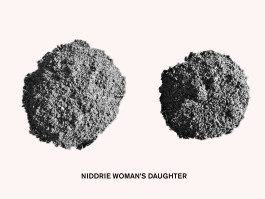
“Labour” is the collective noun for moles. At the Yorkshire Sculpture Park, under Nigel Hall’s Crossing, are a scattering of molehills. Some have been flattened and show the tracks of rubber tyres. Others register human footprints, while some are evidently fresh and are spouting wild seeds.
What is the sculpture park’s approach to moles, and why did the mole choose this site, this particular work of art? Why have YSP chosen to evacuate all signs of mole-work from the documentation of Crossing on their website? How have other artists and institutions approached this thematic and related human-nonhuman conflicts of interest?
What happens when the exhibition of sculpture collides with the life-paths and labours of nonhuman others?
This project with the Henry Moore Institute Leed s investigates tensions between humans and nonhumans in art— how nonhuman labour and agency is embraced in some contexts and banished from others, and the ways in which “pests” and their practices of wilding are represented and mediated by artworks themselves.
Hermione will track records of infestation and encounter with feral agents in spaces of art, beginning with maintenance schedules and documentation of species-control in the Archive of Sculptors’ Papers. A practice-based strand of this research explores live negotiations with animals defined as pests through collaboration with maintenance workers in the HMI, Leeds Art Gallery and Yorkshire Sculpture Park.
This research informs the ongoing development of “Multispecies Maintenance Art". Inspired by Manny Farber’s “termite art” and Mierle Ukeles Laderman’s “Maintenance Art”, Multispecies Maintenance involves fieldwork and collaboration with pest controllers in institutional spaces, exploring existing strategies for wildlife control and proposing new experimental/poetic ways of relating to uninvited guests.
Image: Sketch for The Daughters of Niddrie, after John Latham (1976), hs 2026
related projects